Beach Cleanup Checklist: What to Bring and How to Sort Waste
A beach cleanup looks simple from the outside. You show up, you pick up trash, you go home feeling useful. Then you arrive and find forty volunteers, a tyre half-buried in wet sand, three bags already overflowing, and someone reaching bare-handed for a rusted needle. The difference between a smooth morning and a chaotic one is rarely enthusiasm. It is preparation, and a sorting plan agreed before anyone touches the sand.
Start With a Plan, Not a Bag
Pick the site with a purpose. A stretch of beach that collects debris on the prevailing wind will give you more to do than a postcard-clean bay, and a spot with parking, shade and a nearby bin or skip makes the logistics far easier. Check whether the beach sits inside a nature reserve, a dune protection zone or a nesting area — some places restrict access or ask you to leave natural material untouched, and a quick call to the local parks office or municipality avoids an awkward morning.
Choose your date around the tide table rather than the calendar. Low tide exposes the strandline where most debris gathers, and it gives you hours of safe working time on flat sand. Build in an exit plan: who takes the bags away, where they go, and whether the municipal waste service knows you are coming. A cleanup that ends with fifteen sacks stacked beside a full bin is only half finished.
Before the day, assign three or four roles — a safety lead, someone running the sorting station, a first-aider, and a person keeping the tally. Volunteers work better when they know who to ask.
What to Bring: The Kit List
You do not need much, but the items you do need are hard to improvise on a windy beach. A workable kit for a group of twenty or so:
- Buckets and woven sacks. Buckets handle wet, dripping debris and sharp edges far better than thin plastic bags. Keep a few heavy-duty sacks for soft plastics and film.
- Cut-resistant gloves plus a box of nitrile gloves. Garden gloves are fine for bottles and rope; anything that might cut needs more.
- Litter pickers or grabbers. Essential for children and for anyone who should not be bending repeatedly.
- A rigid, labelled sharps container. A thick plastic bottle with a screw cap works in a pinch, but a proper sharps box is better and easier to hand over safely.
- A crate or sturdy box for glass. Loose glass in a bag ends badly, usually in someone's shin.
- A tarpaulin. It becomes your sorting floor and keeps the sand out of your categories.
- Labelled containers for each waste stream, plus a permanent marker and tape.
- First aid kit, water refills, sun protection, hand sanitiser, a charged phone, and the tide table.
- A hanging scale and a clipboard or notebook. Weighing and recording is what turns a nice morning into useful data.
Safety Rules Worth Repeating
Most injuries at cleanups come from three things: sharps, weight, and the sea. Cover all three in a two-minute briefing before people spread out.
Do not touch, do flag
Needles and syringes, medical waste, unknown chemical containers, gas cylinders, drums, and dead animals should never be handled by volunteers. Mark the spot, note the location, photograph it from a distance and call the relevant local authority or the beach manager. The same goes for anything that looks like it could be explosive or pressurised, which occasionally washes ashore from boats.
Hands, feet and backs
Gloves stay on until hands are washed. Closed-toe shoes, not sandals. Tyres, timber and tangled netting get two people or a drag on the tarpaulin, never a single heroic lift. Children work in pairs within a boundary you can see from the sorting station, and they stay away from the waterline.
Sun, heat and tides
Set a hard finishing time, offer shade and water, and remind everyone not to turn their back on the sea. Cold water and a fast rising tide catch people who are focused on the sand. Anyone who does get a cut or puncture from unknown metal should have it properly assessed by a medical professional rather than patched up and forgotten — this is general advice, not a substitute for clinical care.
How to Sort What You Collect
Sorting in the bag is guesswork. Sort on the tarpaulin, in daylight, with labelled containers in a row. A simple sequence works for almost any beach:
- Empty each bucket onto the tarp and spread it thin.
- Pull out sharps and hazardous items first, into the rigid container. Seal it once it is two-thirds full.
- Separate glass into the crate — bottles, jars, fragments — and keep it apart from everything else.
- Sort metals: cans, foil, bottle caps, wire. Aluminium cans are usually the cleanest recyclable you will find.
- Sort plastics by the rules your local waste authority has given you, not by hope. Rigid containers and bottles are one stream; bags, film and wrappers are usually another.
- Bag rope, netting and fishing line separately. Many coastal areas have monofilament collection points at harbours or tackle shops; use them where they exist.
- Put cigarette butts, shoes, foam fragments and heavily degraded plastic into the general waste stream unless your organiser has a specialist taker.
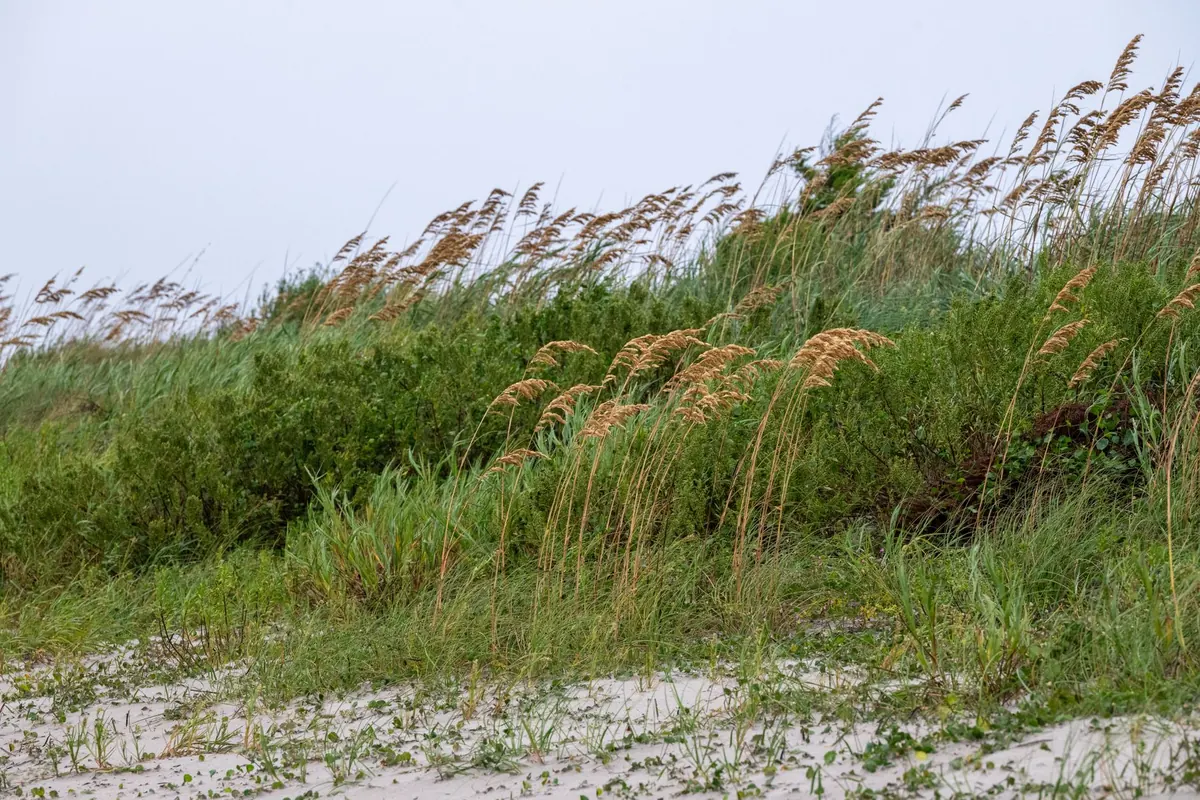
- Leave seaweed, driftwood and shells where they are, unless local rules say otherwise. They are part of the beach's structure, and dunes need them.
One caution worth saying out loud to volunteers: beach plastic is salted, sun-weathered and mixed, and many municipal recycling programmes will reject it. Confirm with your waste authority or cleanup organisation where each stream actually ends up before you tell anyone their bag will be recycled.
Microplastics deserve their own note. If you have a sieve and a specialist recipient, collect them separately. If not, they go to general waste, and the better use of your morning is stopping new debris from reaching the strandline.
Keep the Cleanup Itself Low-Waste
It would be strange to leave a trail of disposable gloves and plastic water bottles behind you. Set up a refill station with a large water container instead of handing out bottles. Ask volunteers to bring their own gloves and reusable bags where they can, and lend grabbers from a shared kit that gets stored and reused each season.
Go digital for sign-in and briefing sheets, meet at a public transport stop where possible, and bring snacks in reusable containers rather than individually wrapped portions. Wash and dry the sacks and gloves afterwards, label the storage box, and note what ran out — that list saves you an hour next time.
After the Sand Is Clear
Weigh each stream, write it down, and photograph the sorted pile and the filled containers. That record is what your local environmental group or municipality can use, and it lets you compare the same beach next year. Report large or problem items — a tyre, a fridge, a drum of unknown liquid — with an exact location and a photo, rather than quietly leaving them for someone else. Return borrowed gear, thank people properly, and send a short summary of what was found. Volunteers come back when they can see the result.
The Pocket Version
Check the tide and the access rules. Bring buckets, cut-resistant gloves, a sharps box, a glass crate, a tarp and water. Brief everyone on what not to touch. Sort on the tarp into labelled containers, confirm where each stream goes, weigh it and write it down. Leave the driftwood and the seaweed where they lie. Do that, and a good morning on the sand turns into something that actually reduces what comes back with the next tide.
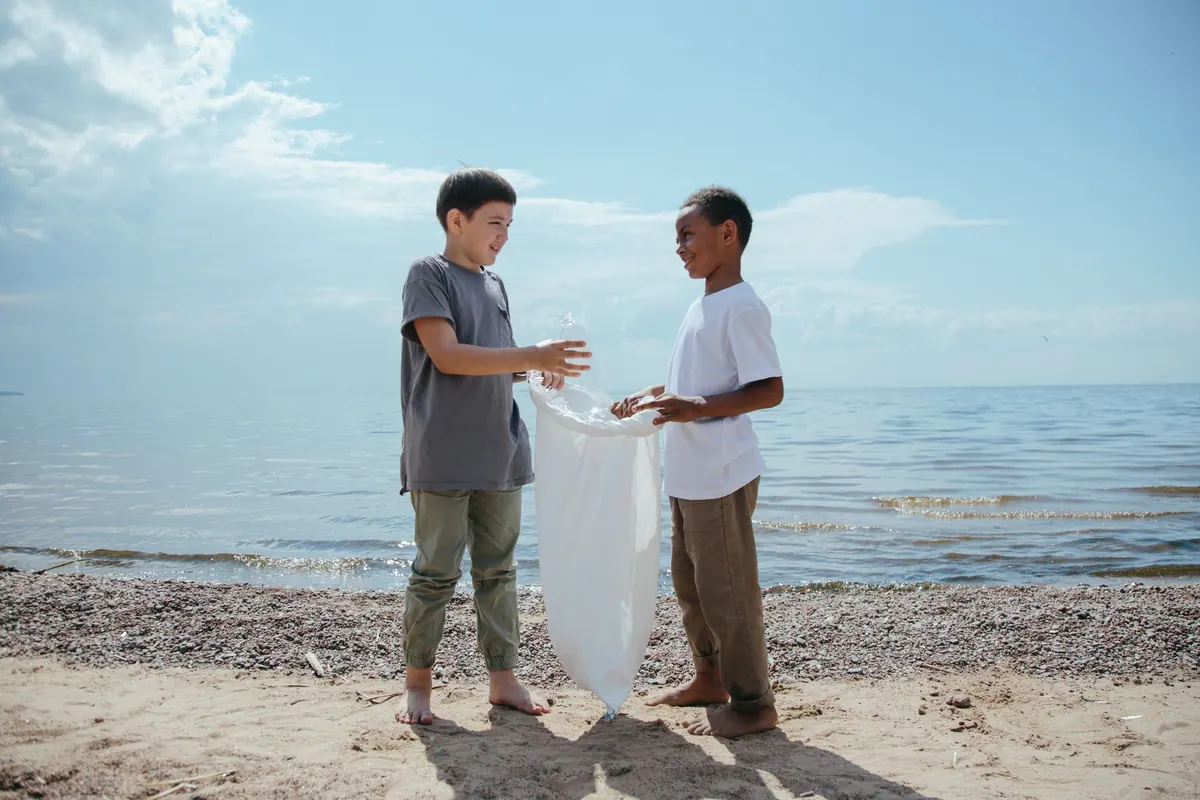
Photo: Ron Lach / Pexels

You Might Also Like
Summer ferries and buses change timetables at different moments, and the connections that work in spring often fail in July. What shifts, what breaks, and how to plan around it.
Flat coastal roads look easy until wind, traffic and heat rewrite the plan. Here are the seven mistakes new riders make most often — and the simple fixes.