Common Mistakes to Avoid When Swimming at Unlifeguarded Beaches
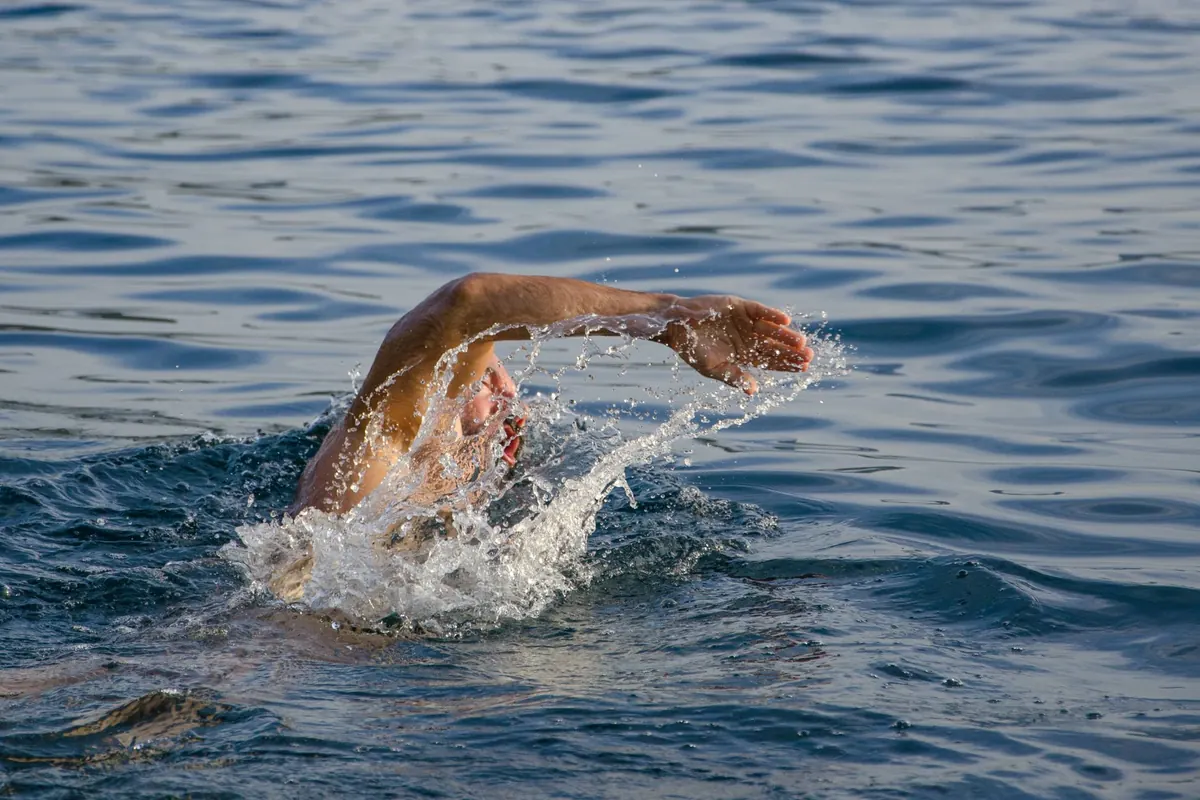
The beach without a lifeguard chair feels like permission. No whistle, no flag snapping on the pole, nobody to tell you where to swim. That freedom is real, and so is the gap it leaves: no one is watching the water with a rescue board ready. Most people who get into trouble at unpatrolled beaches are not reckless. They are decent swimmers who misread one thing — a suspiciously flat patch of water, a tide that turned, a shorebreak that looked smaller from the sand. Here are the habits worth breaking before your next swim.
Read the flags, then read the water
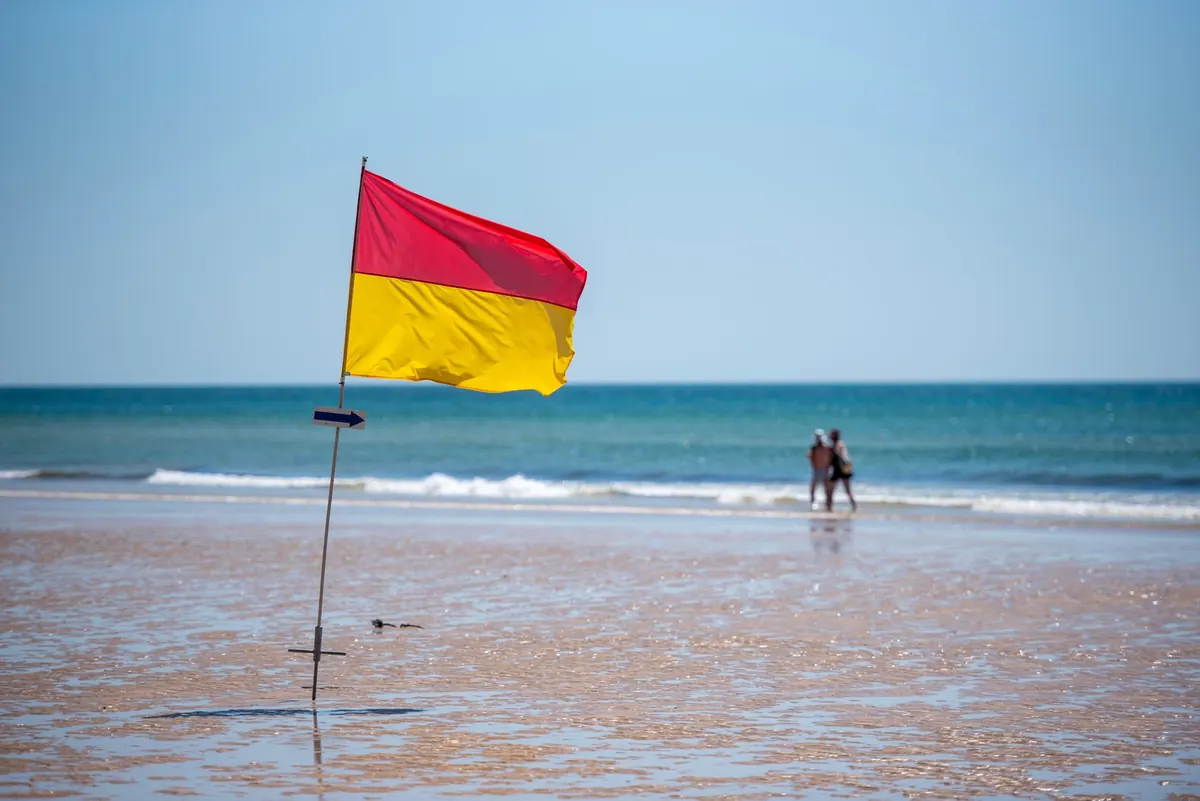
Where flags exist, they are not decoration, and they are not aimed at children. The core system, with plenty of local variation, runs roughly like this:
- Green: calm conditions. Still check the water yourself. A green flag describes the moment it was raised, not the whole afternoon.
- Yellow: moderate surf or currents. Fine for confident swimmers, not the moment to hand a bodyboard to a nine-year-old.
- Red: high hazard. In some countries this means swimming is prohibited, in others strongly discouraged. Read it as a statement about the water, not a suggestion.
- Two red flags: water closed. Stay out, and don't be the person who argues with it.
- Red over yellow: the patrolled zone. Even if you prefer the empty end of the beach, this is where you swim.
- Black and white checks: surfboards and other craft only. A fin to the head is a real risk, not a joke.
- Purple: dangerous marine life — jellyfish, stingrays and similar.
- Orange windsock: offshore wind. Anything inflatable becomes a sail, and the wind pushes you away from land.
On an unpatrolled beach the flags are often missing altogether. Then the reading is yours, and it takes two minutes at the top of the sand: where the waves break, where they don't, which way the surface is drifting, where the rocks sit, and where you would get out if the water pushed you sideways. Watch a full set of waves rather than a single wave. Sets arrive in groups, and the calm gap between them can look deceptively inviting.
Mistake one: swimming toward the calmest-looking gap
This is the mistake that catches good swimmers. After a few sets, you spot a smooth, dark lane between the breakers. Fewer whitecaps. Sometimes a line of foam or a scatter of debris drifting steadily seaward. It looks like the easy way in, and that is exactly the problem: the flat patch is usually a rip current, a channel of water heading back out.
Rips don't pull you under. They carry you out, which is why panic and exhaustion do the damage. If you feel the beach sliding away, the bottom dropping, or the water suddenly cold and churning around your legs, don't sprint against it.
Swim parallel to the shore until the pull eases, then angle back in. If you can't make progress, float, raise one arm and shout.
Most rips are narrow, and they tend to circulate rather than drag you to the horizon. Letting the current carry you sideways while you keep your head and breathe is far less tiring than fighting it head-on. Teach the same three sentences to anyone you swim with. It's the sort of thing you want to know before you need it.
Mistake two: swimming alone, or at the edges of the day
You don't need a companion to be safe, but you do need eyes. Swimming where other people are — even strangers — means someone may notice if you get into trouble. The empty stretch a kilometre up the beach is beautiful and useless in an emergency.
The edges of the day carry their own risks. Early morning water is often colder, and the sea is frequently calmer in the morning than in the afternoon, when wind and swell build. Late afternoon brings glare, tiredness, and the drink that seemed harmless at lunch. On beaches with a single access path, a rising tide can cut off the route back around a headland; check tide times before you commit to the walk, not after. Tell someone where you're going and when you expect to be back, especially if phone signal is patchy.
Mistake three: misjudging the shorebreak and the sea floor
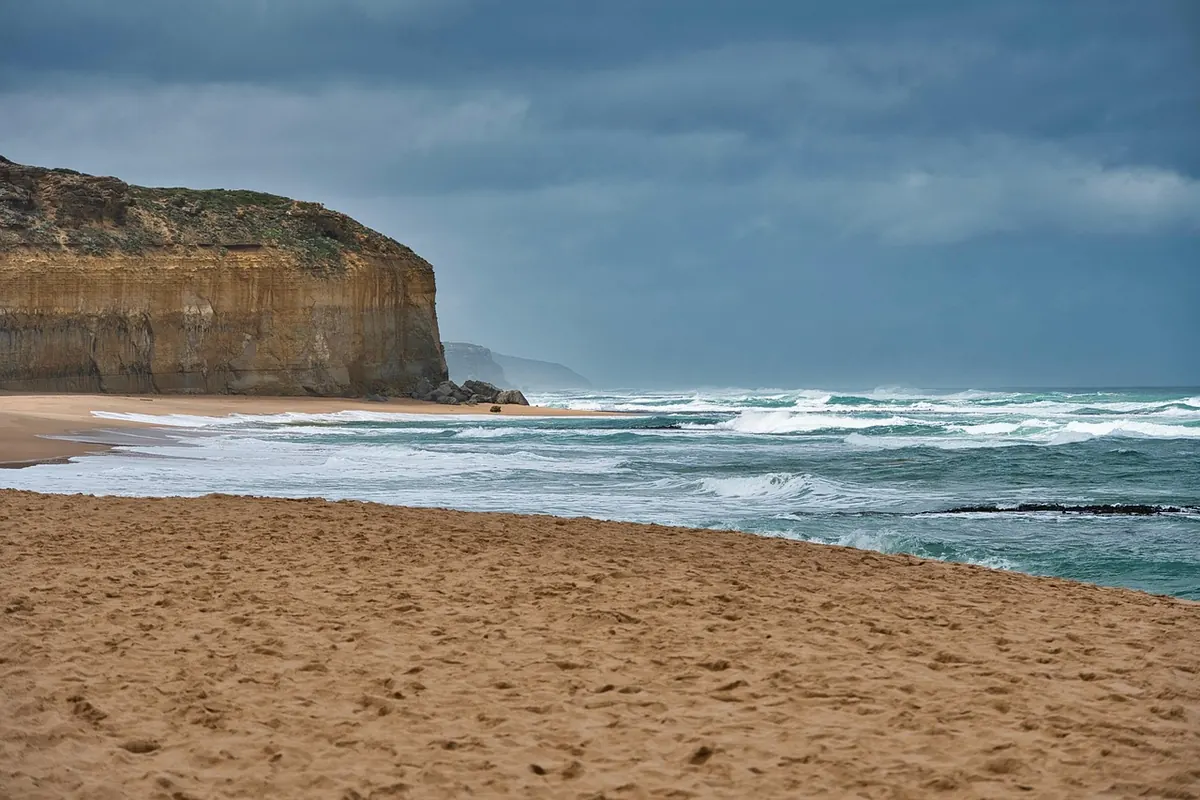
A dumping shorebreak — the kind that throws its whole weight forward onto a steep bank of sand — is not a gentle introduction to the sea. It's where ankles and shoulders get hurt, usually on the first wave rather than the tenth. Stand at the waterline and watch where the waves break hardest before you wade in.
Never dive headfirst into water you haven't checked. Sandbars shift, troughs open up behind them, and rocks appear where the chart says deep. Walk in feet first, shuffle rather than stride, and keep your hands in front of you in murky water. Getting out is often harder than getting in: pick your exit point before you enter, watch a couple of sets, and come in behind a broken wave rather than straight into the next one. If you're standing in the shallows chatting, don't turn your back on the sea for long.
Mistake four: too much confidence, too little preparation
Lap swimming and open-water swimming are different sports. A pool has walls, a visible bottom, warm water and no current. The sea has none of these, and a kilometre along the coast is a lot further than a kilometre up and down a lane. Add alcohol, a heavy meal, cold water that makes you gasp on entry, or an inflatable that quietly drifts offshore, and a manageable swim turns into a difficult one.
Go in slowly if the water is cold. Keep children within arm's reach, not within eyesight. Carry a phone in a waterproof pouch and know whether your network works on that stretch of coast. If you have a heart condition, epilepsy, asthma or another medical issue that could affect you in the water, speak to your doctor before making open-water swimming part of your routine; and follow local rules on closures and access.
Your two-minute check before you walk down
- Stand still and watch two full sets of waves. Note where the calm lanes are.
- Pick two fixed landmarks — a rock, a building, a distinctive tree — to keep your bearings.
- Choose your exit point before you enter, and check it again from the water.
- Confirm the tide is going the way you expect, especially near headlands and coves.
- Ask locally if you can. A café owner or a fisherman will usually tell you where the current runs.
- Tell someone your plan, or at least swim where others are.
- Set a turnaround point — a time or a landmark — and stick to it.
When the right call is not to swim
Some days the sea simply says no: a red flag, a shorebreak that keeps dumping, a wind pushing offshore, water colder than you expected, or a body that's tired after a long walk in the sun. Skipping a swim costs you nothing. A rescue on an unpatrolled beach depends on luck, someone else's courage, and a phone with signal — a thin chain of maybes. Watch the water for ten minutes, make your decision, and if it feels wrong, walk a little further, find a patrolled beach, or settle for a swim another day. The sea will still be there tomorrow.
Photo: Jan van der Wolf / Pexels

You Might Also Like
Summer ferries and buses change timetables at different moments, and the connections that work in spring often fail in July. What shifts, what breaks, and how to plan around it.
Flat coastal roads look easy until wind, traffic and heat rewrite the plan. Here are the seven mistakes new riders make most often — and the simple fixes.